


PTFE Film Tape
What Is PTFE Film Tape
The high-temperature resistance and anti-stick properties of Polytetrafluoroethylene (PTFE) make it an ideal choice as a release surface in composite molding and heat-sealing applications, while also improving production efficiency. Coupled with an acrylic, silicone or rubber adhesive system, our PTFE tapes are conformable and chemical resistant.
Advantages of PTFE Film Tape
Anti-Stick Properties
Great option for applications that require easy release and lack of adhesive residue, such as composite molding, packaging equipment and heat sealing.
High Tensile Strength
Improves production efficiency for wire and cable insulation in aerospace power cable and electrical insulation supporting fast wrapping speeds.
Wide Operating Temperature Range
In applications where temperature varies to the extremes, rely on our PTFE tapes to perform in service temperatures ranging from -73°C to +260°C (-100°F to +500°F) .
Premium PTFE Options
From high modulus to extruded and skived, our team provides options that allow you to take advantage of the different characteristics and formats of PTFE tape in specific applications.
Dimensional Stability
PTFE film tape maintains its shape and properties even under stress or extreme temperatures. It has excellent dimensional stability, which allows it to retain its integrity and performance in demanding conditions.


Why Choose Us
Professional Team
We have a team of skilled and experienced professionals who are well-versed in the latest technology and industry standards. Our team is dedicated to ensuring that our customers get the best service and support possible.
Quality Control
All goods will undergo strict quality inspection before shipment. always insists on providing high-quality products. We firmly believe that quality is the basis of everything.
One Stop Solution
From the begining inquiry and throughout the entire process until you receive the goods. we are dedicated to supporting you every step of the way.
Quality Products
We use only the highest-grade materials and advanced manufacturing techniques to produce products that are reliable, durable, and perform to the highest standards.
Competitive Price
We have professional sourcing team and cost accounting team, stive to reduce cost and profit and provide you a good price.
Sustainable Development
Establish a good reputation and brand value in the industry, and promote the sustainable, stable, rapid and healthy development of the enterprise.
What Is PTFE Film Tape Used For
PTFE Film Tape, Also Known As Teflon Film Tape, Is Used For a Wide Range Of Applications Due To Its Unique Properties.


Nonstick Surfaces: PTFE film tape is widely used in applications that require a nonstick surface. It can be applied to heat-sealing equipment, conveyor belts, cooking surfaces, and baking sheets to prevent sticking of adhesive materials, food products, or other substances.
Heat Sealing: PTFE film tape is commonly used in heat sealing applications. It acts as a release surface between heated elements and the materials being sealed, allowing for easy release without sticking. It is often employed in packaging, heat sealing machines, and other industrial processes.
Electrical Insulation: PTFE film tape exhibits excellent electrical insulation properties. It is used in the electrical industry for wrapping wires, cables, or connectors to provide a nonstick and heat-resistant layer. PTFE film tape helps protect against electrical shorts and insulates against high temperatures.
Packaging And Manufacturing: PTFE film tape is utilized in various packaging and manufacturing processes. It can be applied to machinery components to reduce friction, prevent sticking, and improve product flow. PTFE film tape is commonly used in packaging machinery, conveyors, chutes, and guide rails.
Printing and Graphics: PTFE film tape finds application in the printing and graphics industry. It is used as a nonstick surface on heat presses, laminating rollers, and other equipment. PTFE film tape prevents ink or adhesives from sticking to the equipment, allowing for smooth operation and easy cleanup.
Release Liners: PTFE film tape is used as a release liner for adhesive-backed materials, such as tapes, labels, and decals. It provides a nonstick surface that allows for easy release of the adhesive without leaving residue or damaging the material.
Food Processing: PTFE film tape is employed in the food industry for nonstick surfaces on heat-sealing equipment, conveyor belts, baking sheets, and other food processing equipment. It helps prevent food from sticking, simplifies cleaning, and maintains hygiene standards.
Medical Applications: PTFE film tape is used as a release liner in surgical products such as surgical tapes, bandages, and dressings. Its nonstick properties allow for easy removal without causing damage or pain to the skin. It is used in the packaging and sealing of medical devices and pharmaceutical products. It can be used as a heat-sealing tape to create a secure and sterile barrier for medical packaging. It is also used in laboratory settings for its nonstick and chemical-resistant properties. It is commonly used to line containers, vials, and test tubes to prevent samples from sticking to the surfaces.
Industrial Applications: PTFE film tape finds use in various industrial applications where a nonstick surface, high-temperature resistance, or chemical resistance is required. It can be utilized in welding, sealing, sealing bars, slide surfaces, release sheets, and other industrial processes.
When it comes to selecting the right PTFE Film Tape for your specific application, there are a few factors to consider. Firstly, determine the temperature range and chemical exposure that the tape will encounter. This will help you choose a tape with the appropriate temperature resistance and chemical compatibility. Secondly, consider the surface type and texture to ensure compatibility and proper adhesion. Lastly, evaluate the required width and thickness of the tape to meet your sealing or insulating needs.
To effectively apply PTFE Film Tape, it's essential to follow proper techniques. Start by ensuring that the surface is clean, dry, and free from any debris or contaminants. Measure and cut the tape to the desired length, leaving a slight overlap for secure coverage. Apply the tape smoothly and evenly, exerting gentle pressure to ensure good adhesion. For threaded connections, wrap the tape clockwise to match the direction of tightening. Finally, trim any excess tape neatly to achieve a professional finish.
To maximize the longevity and performance of PTFE Film Tape, it's important to follow a few tips. Avoid overstretching the tape during application, as this can compromise its effectiveness. Ensure that the tape is securely applied and free from wrinkles or air bubbles that may affect its sealing properties. Regularly inspect the tape for signs of wear or damage, and replace it if necessary to maintain optimal performance. Additionally, store the tape in a cool and dry environment, away from direct sunlight or extreme temperatures.
Does PTFE Film Tape Go Bad
PTFE (polytetrafluoroethylene) film, commonly known as Teflon film, is a highly stable and durable material. Under normal conditions, PTFE film does not degrade or go bad. It is resistant to moisture, chemicals, and environmental factors, making it highly durable and long-lasting.
That extreme conditions or improper handling can affect the performance of PTFE Film.
A few factors that can potentially impact the or quality of PTFE Film:
Extreme Temperatures
While PTFE film is known for its high-temperature resistance, exposing it to excessively high temperatures or rapid temperature fluctuations beyond its specified range can potentially affect its properties. It's essential to use PTFE film within the recommended temperature limits to ensure its longevity.
Mechanical Stress
PTFE film can withstand moderate mechanical stress. However, excessive stretching, folding, or abrasion can cause physical damage, such as tearing or degradation of the film. Care should be taken to handle and use PTFE film with proper precautions to avoid excessive stress.
Chemical Exposure
PTFE film is highly resistant to most chemicals. However, exposure to certain aggressive chemicals or solvents beyond its chemical compatibility can potentially affect its properties. It's advisable to review the chemical resistance chart specific to the PTFE film and ensure compatibility with the intended chemicals or environments.
UV Exposure
PTFE film is resistant to UV radiation and does not degrade due to sunlight exposure. However, prolonged exposure to intense UV radiation or specific UV wavelengths can potentially cause some degradation over an extended period. This is typically not a concern for most standard applications.
Proper storage and handling of PTFE film can help maintain its quality and extend its lifespan. It's advisable to store PTFE film in a clean and dry environment, away from direct sunlight, extreme temperatures, and harsh chemicals.
The Benefits Of Choosing PTFE Film Adhesive Tape For Industrial Uses
PTFE film adhesive tape is an excellent choice for many industrial applications due to its long-term durability and excellent chemical resistance properties. It provides a superior protection against corrosion, oil, and other substances, making it the perfect solution for a range of jobs. Here are just some of the many benefits that you can expect when using PTFE film adhesive tape:
Durability and Versatility
PTFE film adhesive tape can withstand demanding conditions and is a highly flexible material. It can be applied to many surfaces, including metal, plastic, and rubber. The PTFE film has an excellent adhesive backing that ensures a strong and long-lasting bond.

Chemical Resistance
PTFE film adhesive tape offers excellent chemical resistance, making it ideal for jobs that need to withstand harsh environments. It is resistant to oils, solvents, gasses, and other chemicals, and can even be used in cryogenic applications. Additionally, it can be easily cut into different shapes to suit your needs.
Non-Stick Properties
PTFE film adhesive tape is a non-stick material, meaning it won't easily absorb oils and other substances. This makes it ideal for jobs that involve heat or require a smooth, non-tacky surface that won't easily pick up dirt and residue. It is also extremely easy to clean, making it a popular choice for machine maintenance.
Cost-Effective
PTFE film adhesive tape is also highly cost-effective. It can be used for a variety of industrial applications, and its non-stick nature ensures that it will last for a long time. This makes it an ideal option for those on a tight budget, as it can provide reliable protection at a fraction of the cost of other types of tape.
Polytetrafluoroethylene (PTFE) Film Tape Market Analysis And Latest Trends
Polytetrafluoroethylene (PTFE) film tape is a type of adhesive tape made from PTFE, a high-performance synthetic polymer known for its excellent electrical, chemical, and thermal properties. It is widely used in various industries, including electrical, electronics, automotive, aerospace, and packaging, due to its non-stick, low friction, and high-temperature resistance characteristics.
The global PTFE film tape market is expected to witness significant growth in the forecast period. The market is driven by the growing demand for PTFE film tape in electrical and electronics applications, such as circuit boards, wire harnesses, and insulation. The increasing use of PTFE film tape in the automotive industry for applications like harness wrapping and gasketing is also contributing to market growth.
Moreover, the expanding aerospace industry, which requires PTFE film tape for aerospace seals, gaskets, and thermal insulation, is further fueling market growth. Additionally, the rise in packaging applications, especially in the food and pharmaceutical sectors, is propelling the demand for PTFE film tape.
On the basis of geography, Asia Pacific is expected to dominate the PTFE film tape market due to rapid industrialization, increasing electrical and electronics production, and growth in the automotive sector. North America and Europe are also significant markets for PTFE film tape, driven by advancements in technology and the presence of major end-use industries.
The global PTFE film tape market is projected to grow at a CAGR of % during the forecast period. Factors such as the increasing demand from various industries and the unique properties of PTFE film tape are driving market growth.
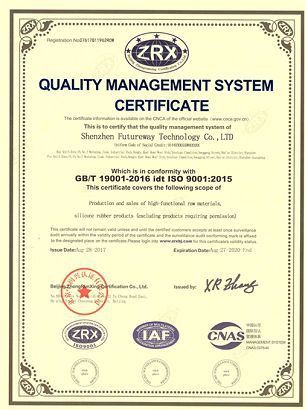
Certifications


Our Factory
Futureway is a private material enterprise founded in 2010 by several experts from world's top 500 material companies. The company is committed to breaking through the technical and application barriers in the field of high-tech materials, focusing on the building and application development of the technology platform of fluoropolymers and silicone materials.

FAQ
Q: What is PTFE film tape used for?
Q: What are the properties of PTFE film?
Q: What is the difference between PTFE and Teflon tape?
Q: Does PTFE tape have adhesive?
Q: What's the difference between gas and water PTFE tape?
Q: How is PTFE film made?
Q: What is PTFE tape made of?
Q: What would be the primary application of PTFE tape?
Q: What is the best tape for plumbers?
Q: What is PTFE film tape?
Q: What are the key properties that make PTFE tape effective for sealing threads?
Q: Can you use too much PTFE tape?
Q: What is the white tape plumbers use?
Q: What is the difference between yellow and pink Teflon tape?
Q: Does the quality of the PTFE tape matter?
Q: Is white or yellow PTFE tape better?
Q: Can you use PTFE tape on plastic threaded pipes?
Q: What is the white tape plumbers use?
Q: Does silicone adhesive stick to PTFE?
Q: Is PTFE lubricant the same as Teflon?
As one of the most professional PTFE film tape manufacturers and suppliers in China, we're featured by quality products and competitive price. If you're going to wholesale customized PTFE film tape made in China, welcome to get quotation from our factory.
Ptfe Tape, Teflon Tape Electrical Insulation, UV Resistant Ptfe