


The sealing performance of power batteries is crucial to ensuring their safety and efficiency. We will focus on the key factors in battery pack sealing design to talk about how to choose the most appropriate sealing material. Common sealing materials include polyurethane, neoprene, EPDM and silicone rubber. So which one is most suitable for battery pack sealing?

Key factors of sealing Materials:
Compression Set Resistance:The compressive set resistance of a material refers to its ability to withstand compression forces and maintain relatively small permanent deformation. This involves the material's stability and ability to retain its shape over an extended period under continuous compression. As shown by data, whether in low temperature(25℃) or high temperature(75℃) experiments, the compression set of silicone foam is very low, 1% and <5% respectively, which is significantly better than neoprene and EPDM. EPDM's deformation reaches up to 28% at 75℃! This indicates that silicone foam can stably withstand compressive forces in both high and low-temperature environments without undergoing excessive permanent deformation. It possesses reliable sealing capabilities to ensure the safety of the battery pack.
Temperature Range: The temperature range is critical for the sealing of power batteries because it directly affects whether the sealing material can maintain stable performance under the heat generated during the battery's charging and discharging process. This stability ensures safety and durability, and adapts to usage under various environmental conditions. It determines the battery's ability to operate effectively across a wide range of temperature fluctuations, maintaining optimal performance, thereby impacting the reliability of the entire battery system. The operating temperature range of silicone foam is quite broad (-50℃ to 200℃), far exceeding that of polyurethane (-30℃ to 80℃). This means that silicone foam can maintain good sealing properties in extreme low and high temperature environments, making it highly suitable for the operational conditions of power batteries.
Flame Resistance: Flame resistance is a critical factor for power battery sealing because it provides an essential layer of safety, preventing the spread of fire in case of thermal incidents or electrical faults, meeting stringent safety regulations, enhancing consumer confidence in the safety of electric vehicles and energy storage systems, and ultimately helping to preserve the performance and extend the lifespan of the battery. Silicone foam also shows advantages in flame resistance, meeting the UL 94 V-0 flame retardancy standard, which is vital for battery safety. In the event of battery malfunction that may cause a fire, it is essential to choose materials that can prevent the spread of flames. Polyurethane, neoprene, and EPDM are all far inferior to silicone foam in this aspect.
Resilience: Silicone foam has excellent resilience, which is crucial for maintaining the durability and adaptability of battery seals. During battery operation, the material needs to accommodate changes in shape and vibrations, and silicone foam can provide this adaptability.
Chemical and Environmental Resistance: Silicone foam also performs very well in terms of resistance to chemicals and environmental factors. It can withstand a variety of chemical substances and environmental impacts, protecting the battery from external influences, which is very important for maintaining battery stability and prolonging battery life.
Among all these materials, silicone foam is the preferred material for power battery sealing due to its exceptional performance. The high and low-temperature tolerance of silicone foam means it can remain stable under extreme conditions, which is especially important for power batteries as they generate heat during charging and discharging. Additionally, the aging resistance of silicone foams ensure long-term sealing effects, crucial for the lifespan and safety of the battery.

Futureway® Silicone Foam, with its resistance to compression set, wide range of compression stress, excellent weather resistance, wide range of operating temperatures, and compliance with flame-retardant standards, becomes an ideal choice for power battery sealing. These characteristics ensure that Silicone Foam not only provides long-term sealing effects but also remains stable in the face of various challenges during battery operation, ensuring the safety and efficiency of the entire battery system.
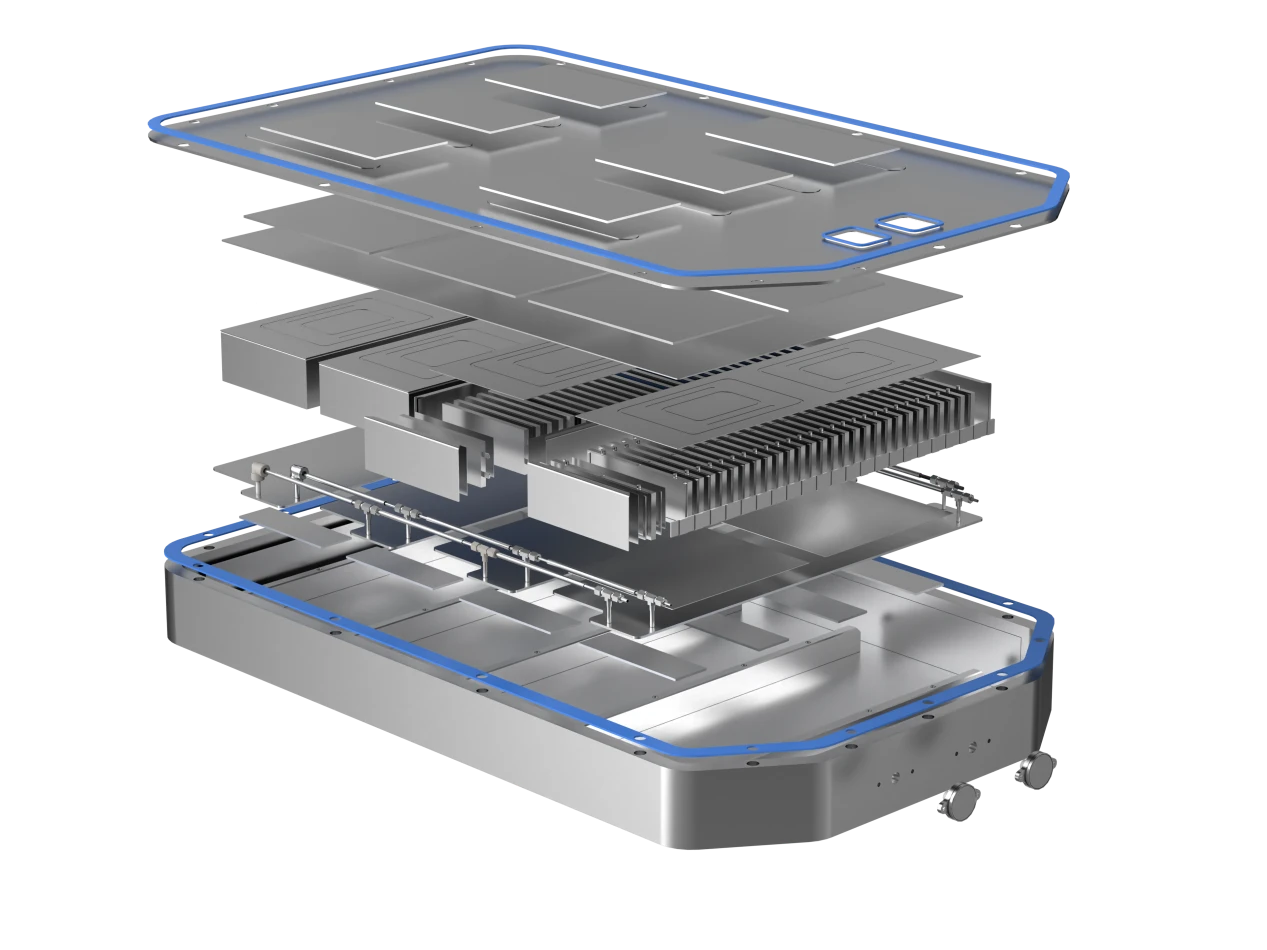
In power battery sealing applications, choosing the right material is crucial. Futureway® Silicone Foam demonstrates its significant advantages in power battery sealing, with a unique combination of performance features that not only enhance the reliability and safety of the battery system but also help reduce maintenance costs and extend the battery's lifespan. As the development of electric vehicles and energy storage systems continues, selecting high-efficiency and high-safety sealing materials becomes increasingly important, and Futureway® Silicone Foam is an ideal choice for this need.